
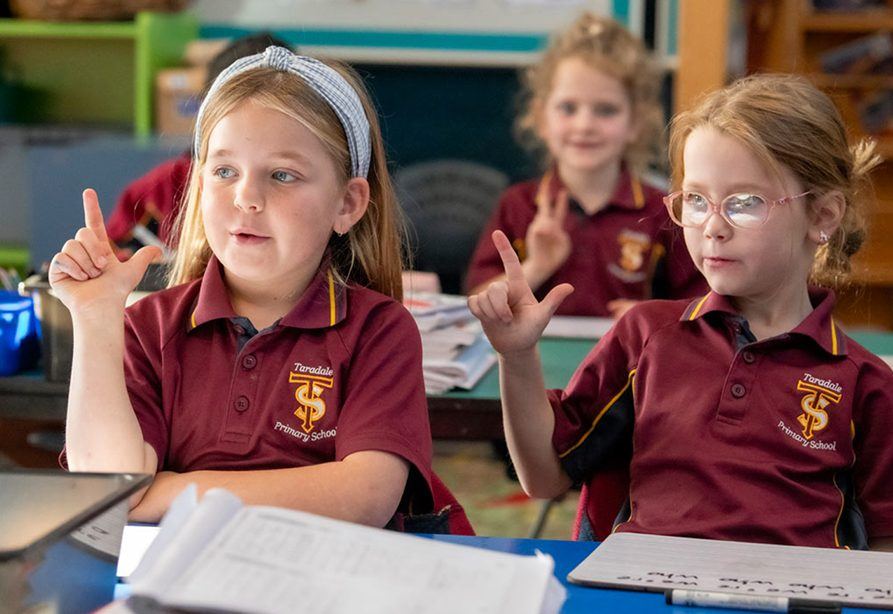
Our Learning
From play-based learning in Team Tahi to robotics, camp and BYOD in Team Toru.

Team Tahi (Years 1 & 2)
Years 1 and 2
Ka whānaia, ka tipu, ka puāwai – Nurture and it will grow, then blossom
Play Based Learning in Team Tahi
In Team Tahi, Play Based Learning sits proudly alongside our core curriculum. We believe deeply in the power of play to nurture confident, curious learners. Through rich, hands-on experiences, our tamariki have daily opportunities to grow their understanding of our TPS values – Respect, Responsibility, and Relationships – in meaningful and authentic ways.
Our Play Based Learning programme is thoughtfully planned yet wonderfully flexible. This balance allows each child to follow their interests, take risks, explore and grow at their own pace. Strong kaiako–tamariki relationships are at the heart of this approach. We support, guide and coach when needed, but we also step back and create space for self-directed learning, oral language development and a resilient growth mindset.
We are fortunate to have an outstanding indoor and outdoor environment where learning can flow naturally between spaces. Literacy and Maths are woven throughout Play Based Learning – not only taught through whole-class lessons but also through purposeful, integrated experiences and small-group instruction that feels meaningful and connected.
We recognise that our tamariki arrive at school with a wide range of readiness for formal learning. By truly knowing our learners and understanding their strengths and needs, we can plan intentionally for the skills that will help them thrive. Play Based Learning gives us a joyful and engaging way to explicitly teach and practise these skills across both our indoor and outdoor settings.
Reflection is an important part of our practice. As kaiako, we continually observe, notice and adapt. We also listen carefully to our tamariki – their voice matters. Student agency is encouraged and celebrated and we believe the magic lies in the process of learning just as much as the final outcome.
Additional Opportunities in Team Tahi
Our ākonga also enjoy a range of enriching experiences, including:
- Kapa haka for all Team Tahi tamariki
- Music with a specialist teacher
- Swimming lessons
- Team Tahi Cross Country
- Exciting trips and adventures
Structured Literacy
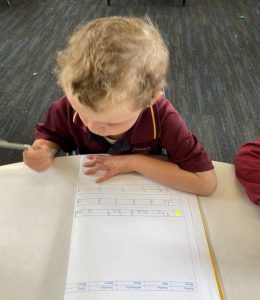
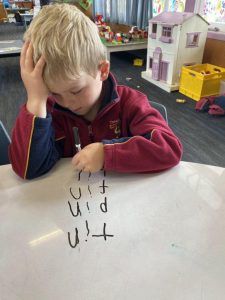
In 2021 Team Tahi kaiako began investigating and researching the Structured Literacy approach of teaching Reading and Written Language. This involved looking closely at the evidence and research around the ‘Science of Reading’ which ultimately helped inform our decision to adopt the structured literacy approach to teaching reading and written language. During 2021 and 2022 Team Tahi undertook further professional learning which gave us explicit knowledge on how to teach structured literacy to our tamariki in a planned and systematic way.
During 2022 the Year 1 kaiako have been using the Structured Literacy approach. We have been delighted with the engagement and progress of our tamariki. These tamariki will continue to be taught using this approach in 2023 by the Year 2 kaiako.
Structured Literacy is part of our Strategic Plan going forward and in 2023 we begin whole school Professional Learning that will tie this together throughout all three teams.
2023 Structured Literacy Presentation
Our amazing group of Team tahi kaiako have created an informative presentation about Structured Literacy at Taradale Primary School. Please click on the image below to open the Google Slide presentation.
 Open the presentation
Team Rua (Years 3 & 4)
Our Core Learning Programme
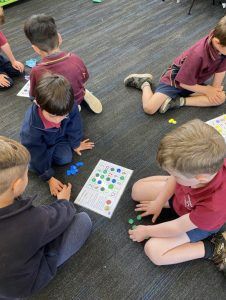
In Team Rua, the foundation of each day is built around high-quality teaching and learning in reading, writing and mathematics. These core learning blocks occur daily for approximately one hour each and form the bulk of our programme. Our structured literacy approach, targeted small-group instruction and rich maths experiences ensure that all ākonga are supported and extended at their level.
Alongside these essential areas, we provide a range of meaningful learning experiences that nurture curiosity, creativity and collaboration.
Tinkering Time
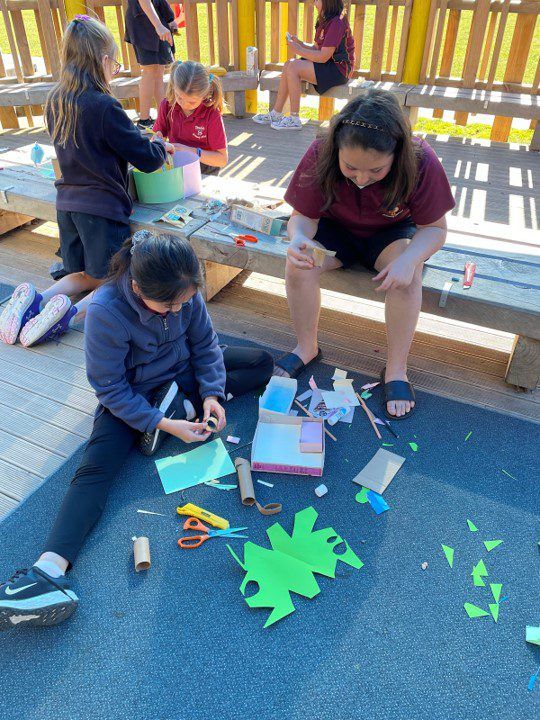
Once a week, all Year 3 and 4 ākonga take part in Tinkering Time, a dedicated learning block (1.5 hours) that runs in four-week cycles. Each cycle offers a consistent set of hands-on, interest-based activities that remain available for the full four weeks. This gives tamariki time to revisit ideas, refine their thinking and deepen their learning over time.
At the beginning of each new cycle, the whole team comes together to introduce the activities, set shared expectations and highlight the 3Rs and Whakawhanaungatanga elements we will focus on. This collective start helps build a positive learning culture and ensures everyone understands how to work respectfully and responsibly across shared spaces.
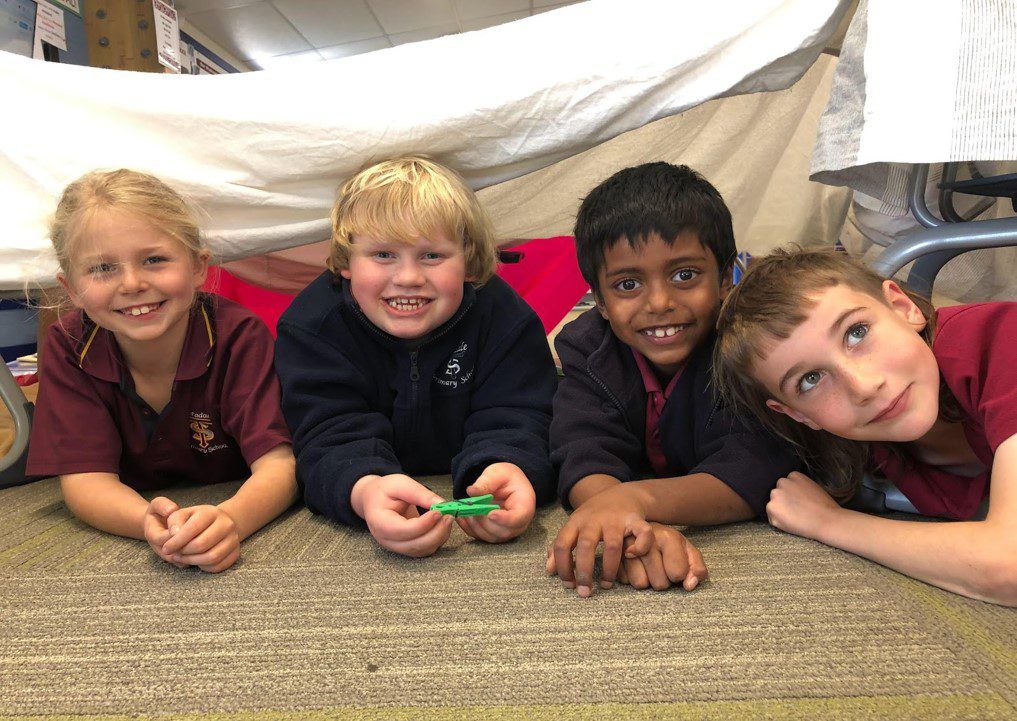
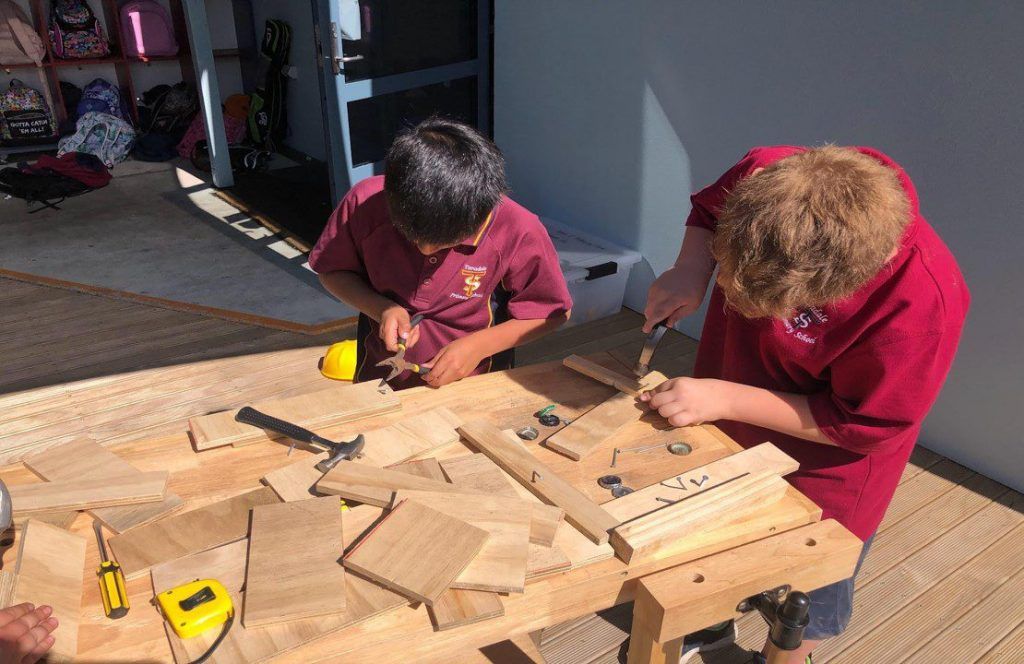
During Tinkering Time, each kaiako provides two or three rich provocations or activity stations in their classroom or an outdoor area. Ākonga are free to be self-directed, choosing where they would like to explore and which activities they want to engage with. They can move between rooms and spaces as their ideas develop, collaborate with peers and return to activities throughout the four-week cycle.
A cycle might include activities such as:
- Construction and engineering challenges
- Art and design stations
- Nature and science explorations
- Technology, coding or digital tasks
- Creative play-based provocations
- Problem-solving and teamwork challenges
Each session ends with class reflections, where tamariki return to their home rooms to share what they explored, celebrate successes and discuss how they demonstrated the 3Rs and positive relationships during their learning.
This structure offers a balance of agency, creativity and responsibility, helping our learners grow as independent thinkers and collaborative team members.
STEM and Science
Across the year, our ākonga take part in a range of STEM and Science learning experiences that encourage curiosity, experimentation and problem solving. This includes hands-on challenges such as building bridges, testing magnets, creating rockets or engineering balloon-powered vehicles. We also make excellent use of our House of Science kits, which provide engaging, real-world science.
Additional Learning Opportunities
Team Rua provides a wide range of opportunities that help tamariki grow as confident learners and contributors to our school community. These include:
- Oral Language Presentations: Once a term, each child presents to their class on a topic connected to their identity, whānau, interests, hobbies or current events. This builds confidence, strengthens speaking skills and helps ākonga share who they are in a supportive setting.
- Sporting events and team activities
- Tuakana–Teina buddy classes
- Chess club and tournament
- Use of Chromebooks and developing digital citizenship
- Year 3 music lessons
- Year 4 recorder and glockenspiel lessons
- Educational trips linked to current learning
Literacy and Maths
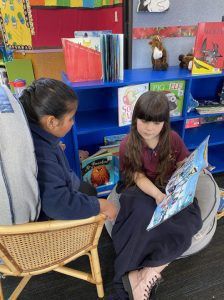
Our Year 3 and 4 ākonga are also given plenty of opportunities to develop agency, independence and self-management skills through our Literacy ‘Must Do / Can Do’ approach. Whilst our kaiako are working with groups of ākonga, the rest of the class work through a selection of ‘Must Do’ learning that is based around Literacy including independent reading, buddy reading, word work, writer’s notebook and often a special activity based on a poem or shared book. Once the ākonga have completed their ‘Must Do’s’, they are then able to move on to their ‘Can Do’s’ which is a selection of activities and tasks that the ākonga themselves have offered ideas for. Within our Literacy programme, we have a strong focus on teaching the ākonga ‘The Code’. Our aim is for our ākonga to apply their knowledge of letter-sound relationships, spelling patterns and irregular spellings, accurately, automatically and fluently when spelling, writing and reading. A similar ‘Must Do / Can Do’ approach is also used for our Maths programmes. A key difference when it comes to Maths however is what we call ‘Team Rua’s Problem Solving Mondays’. Every Monday, within each class, the ākonga are split into groups of 3 (different groups each week) and are all given the same maths problem to collaborate on. During these problem solving sessions, the key emphasis is on the following mantra that we created with the tamariki – ‘Everyone talks…Everyone listens…Everyone writes…Everyone understands’
STEM / Genius Time
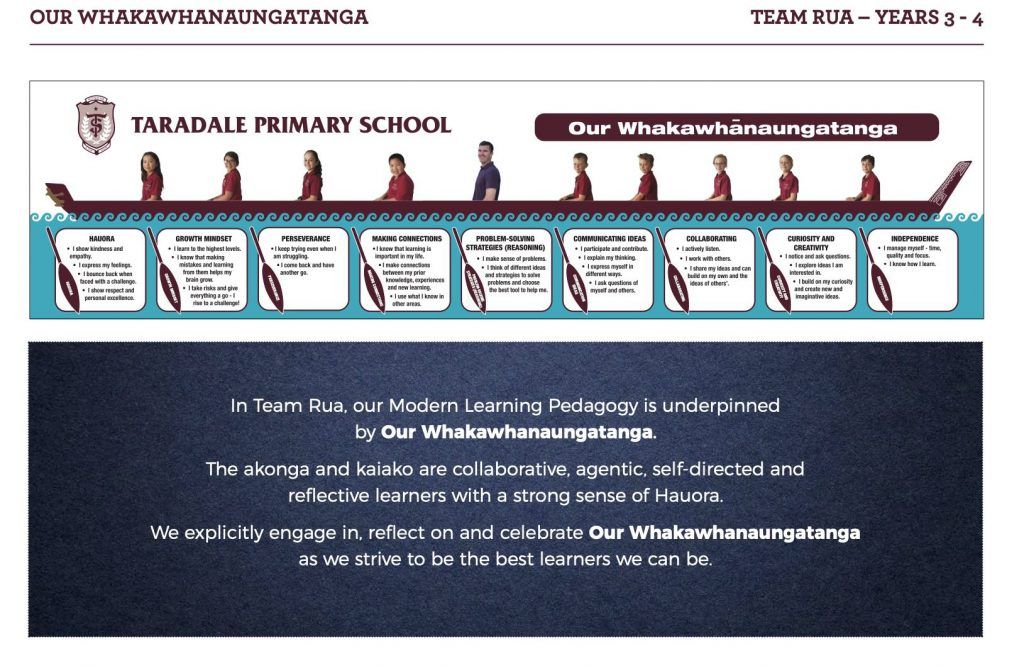
We often have a focus on STEM (Science, Technology, Engineering and Mathematics) learning which often relates to the current, school-wide Big Idea focus. In team Rua, this looks like a week per term which has a focus on STEM learning through exploration and experimentation. This is where our ākonga really delve into the STEM process of Ask – Solve – Design and Test – Adapt – Reflect and Present. Our STEM learning has covered a range of contexts or learning opportunities including: making catapults, experimenting with magnets, designing and making rockets, balloon cars, engineering bridges to hold toy cars, etc. Our Team Rua classes are also starting to dive into something called Genius Time, which takes place for a set time each week (often the ākonga also choose to do their Genius Time learning as a ‘Can Do’ option). The children can choose a topic that really interests them, they then create a question based on this interest and spend time researching it/ learning about it. The children can also choose how they present their findings (when ready) to the rest of the class. In Team Rua, the ākonga and kaiako are collaborative, agentic, self-directed and reflective learners with a strong sense of Hauora. We explicitly engage in, reflect on and celebrate Our Whakawhanaungatanga as we strive to be the best learners we can be.
Team Toru (Years 5 & 6)
Learning in Team Toru
Team Toru comprises both Year 5 and Year 6 tamariki. They have the opportunity to learn within a classroom that uses BYOD (Bring Your Own Device) as a component of our daily learning programme. Our tamariki are encouraged and inspired to be the drivers of their learning. All we do within our team is underpinned by our values of Respect, Responsibility and Relationships as well as the elements of Our Whakawhanaungatanga.
Whakawhanaungatanga
In Team Toru Our Whakawhanaungatanga is about nurturing the seed (tamariki), developing their growth through our belief and values, with the heart of our whakawhanaungatanga being hauora. With this, the seed will flourish and blossom. We do this through the support of our whānau, our community and of one another.
Āko Learning
In Team Toru we continue to make links between other year levels within our kura and foster and build on the many skills within Our Whakawhanaungatanga. One way we do this is through our Āko Time. Team Toru’s Āko Time philosophy is that it will be purposeful and enhance the attributes of Our Whakawhanaungatanga, building on the key competencies of our curriculum. Student agency will be nurtured through āko based activities.
Additional Learning Opportunities
Team Toru tamariki are very fortunate to experience many additional learning opportunities, these opportunities and experiences build on the culture within our team and allow the tamariki to shine both inside and outside the classroom across a vast range of curriculum areas as well as giving them the opportunity to contribute to our school community.
These include:
- Kapa Haka
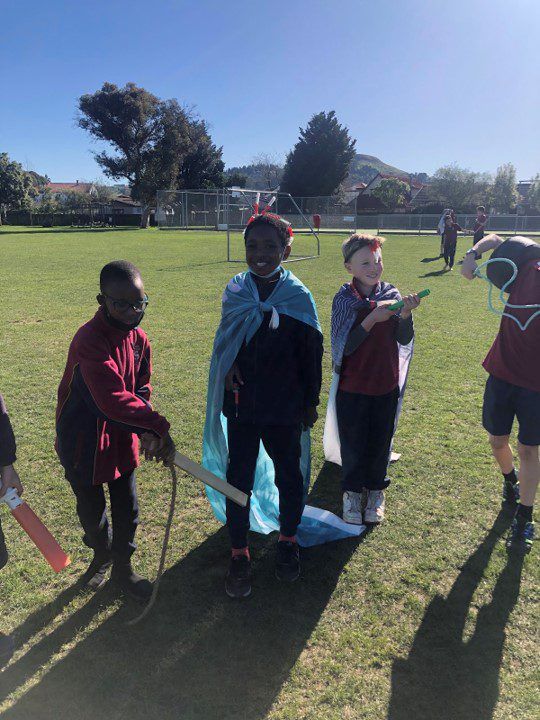
- Year 6 Camp
- Recorder & Ukulele classes
- Year 5 Whare Sleepover/EOTC Days
- Year 6 Optimist Yachting
- A range of sporting opportunities
- Kaitiaki (leadership) Groups
- Chess
- Mathletics
- Lit Quiz
- Ōtātara Pā visits
Structured Literacy
Our Journey
Since 2020, Taradale Primary School has been on a purposeful and exciting Structured Literacy journey, taking a whole-school approach to teaching reading, writing and spelling. This commitment ensures every child, from our newest learners through to our senior ākonga, experiences a consistent, evidence-based approach that helps to build strong, confident and capable readers and writers.
Structured Literacy aligns with the Science of Learning and the Science of Reading, ensuring our teaching reflects what research tells us about how children learn best.
What Is Structured Literacy?
Structured Literacy is an evidence-based way of teaching children to read, write and spell with success and confidence. It is:
- Explicit – skills and concepts are taught clearly and directly
- Sequential – we follow a carefully planned scope and sequence
- Cumulative – each new skill builds on previous learning
- Diagnostic – we check understanding and respond to learners’ needs
- Multi-sensory – learners see, hear, speak and write sounds and words
Structured Literacy teaches tamariki to:
- Manipulate individual letters, sounds and patterns
- Develop vocabulary knowledge
- Build reading fluency
- Strengthen comprehension
- Use transferable skills across all areas of learning
This approach is highly effective for all learners and especially supportive for those with literacy learning difficulties.
How We Teach Structured Literacy at TPS
Across the kura, we use a consistent Structured Literacy approach: Review → Explicitly Teach → Practise → Apply.
This sequence ensures that learning sticks. Tamariki revisit prior knowledge, learn new content clearly, practise it with support and then apply it independently and purposefully.
Our Scope and Sequence: Years 0–3 / Lower & Middle School
Our scope and sequence is based on the Little Learners Love Literacy (LLLL) progression. This outlines the exact order in which we teach specific:
- Sounds
- Letter sound correspondences
- Spelling patterns
- High-Frequency words (Heart Words)
All ākonga learn through whole-class teaching, ensuring everyone is exposed to the sounds and patterns appropriate for their year level. Our kaiako then run targeted small groups to support specific learning needs and accelerate progress where required.
Tamariki in these year levels use LLLL decodable readers that are closely aligned to the sounds and patterns being taught in class.
Years 4–6 / Senior School
As students progress, they transition from LLLL readers to a range of age-appropriate decodable texts and rich reading material.
The Structured Literacy cycle remains the same: Review, Explicit Teach, Practise, Apply. Texts become more complex and comprehension demands increase.
Daily spelling instruction continues across the senior school using Liz Kane’s The Code, supporting students to secure accurate spelling patterns and confidently apply them in writing.
Daily Spelling Across the School
From Year 2/3 to Year 6, all classes engage in daily structured spelling using Liz Kane’s The Code. This ensures consistency across the kura and supports students to:
- Understand spelling rules and patterns
- Build automaticity and confidence
- Apply spelling knowledge into their writing
Scarborough’s Reading Rope
At TPS, our approach reflects the two key strands of Scarborough’s Reading Rope.
Word Recognition
- Phonological awareness
- Decoding and spelling
- Automatic recognition of words
Language Comprehension
- Vocabulary
- Background knowledge
- Sentence structure
- Verbal reasoning
- Literacy knowledge
Together, these strands weave into skilled, fluent reading.
Our Structured Literacy approach ensures that both sides of the rope are intentionally and systematically taught, from explicit phonics in the early years to vocabulary and comprehension instruction throughout the school.
Why our approach matters
Our commitment to Structured Literacy ensures:
- A consistent approach across all year levels
- Clarity for whānau, kaiako and tamariki
- Strong foundations in the early years
- Targeted support where needed
- Confident, capable readers and writers who can access the full curriculum
Most importantly, every child is given the opportunity to experience success, joy and pride in their literacy learning.
Maths
At Taradale Primary School, we want our tamariki to grow as confident and capable mathematicians who can see how maths relates to their everyday world. Our commitment is to provide high-quality teaching and meaningful learning experiences, so all learners feel motivated, supported, and successful in mathematics.
Daily Explicit Teaching. Every class has dedicated, explicit maths instruction each day. Kaiako clearly model new ideas, guide learners through practice and support them to apply their knowledge in meaningful ways.
A Balanced Maths Programme. We use Maths No Problem (Adapted for Aotearoa New Zealand) to provide a structured, consistent approach across the school. Our programme offers a balance of:
- teacher instruction
- book work
- collaborative group tasks
- hands-on learning
- problem solving activities
- rich mathematical discussions
Our classrooms are places where questions are encouraged, mathematical language is used, thinking is explored, and all tamariki can take risks and share their ideas.
Professional Learning for Kaiako. Our kaiako are engaged in ongoing professional development with The Learner First. This supports:
- strengthened progressions across all strands
- deeper focus on the five mathematical proficiencies
- regular “revisit and repeat” routines to reinforce key concepts
- strong alignment with Te Mātaiaho The New Zealand Curriculum
This ensures teaching is high-quality, responsive and designed to build long-term understanding.
Tracking Progress and Supporting Learners. Kaiako draw on observations, discussions and assessments to identify where each learner is at. This helps us provide timely support, extension and guidance tailored to their needs.
Growing Mathematical Thinkers. Problem solving is an important part of our programme. Tamariki are encouraged to ask questions, explore strategies, share their ideas and learn from mistakes. They develop confidence to think critically and communicate their mathematical reasoning.
Music
Music is an important and joyful part of life at Taradale Primary School. Through singing, movement and instrumental work our tamariki build confidence, creativity and a lifelong appreciation for the arts.
Classroom Music
Our specialist music teacher, Sally Davies, introduces students to a wide range of musical experiences including ukulele, recorder, glockenspiels, singing and our ever-popular bucket band.
We are also fortunate to have Lynn Irwin, our specialist choir tutor, who works with our keen Year 5 and 6 singers. Lynn also teaches music to our Year 0 to 3 classes every Friday, infusing singing, movement and beat. The tamariki absolutely love these sessions.
In addition to classroom programmes, our school provides opportunities for students to learn guitar.
Music Learning Across the School: Years 3 to 6 with Mrs Sally Davies
- Year 3: Singing, dance, movement and rhythm
- Year 4: Learning to read and write music; clapping and understanding rhythmic patterns; learning to play the glockenspiel, culminating in a concert for parents and other classes; introductory recorder lessons
- Year 5: Recorder lessons with extension for advanced learners
- Year 6: Ukulele lessons
Extra Music Opportunities for Years 5 and 6
Ukulele Festival. A wonderful evening where students perform alongside other Hawke’s Bay primary and intermediate schools.
Orchestra Play-In Day. A full day of instrumental music making in a classical orchestra setting. Students selected for this event are those who show above average ability and enthusiasm. They prepare five to six pieces in advance and then join students from across Hawke’s Bay for a rich ensemble experience.
Bucket Band. A high-energy musical activity where students perform scripted rhythmic patterns on buckets. Always a favourite.
Community Concerts. Our choir and instrumentalists enjoy performing at local rest homes, sharing music with our wider community.
Sports
T.P.S. Sporting Overview
To register your child for a sports please visit: https://shop.tgcl.co.nz/shop/index.html
The table below gives an outline to the sports that T.P.S. will be offering. This overview will be helpful to you in organising your child’s sporting commitments and also gives you an idea of when to expect some information about the sports. This information is based on times, dates and venues from previous years so may be subject to change. We try to organise teams in advance so it may be the term prior to the sport starting that we will get an idea of numbers and how many teams and coaches we need.
It is great that we have so many children who want to participate, however this is logistically challenging for those organising. Therefore it is vital that permission slips are returned to the teacher in charge, as any late entries will often result in the child missing out due to teams being compiled and entered into competitions. We will not be chasing up children’s permission slips as it is a parental and personal responsibility. It is also expected that any fees are paid or payment is arranged with the office prior to the season starting. As always, we will be asking for parent help in coaching and supervising teams.
Thank you in advance for your continued support.
| Term 1 | Term 2 | Term 3 | Term 4 |
|---|---|---|---|
| Cricket Year 3-6: Friday afternoon Kiwi Cricket; Saturday Hardball | Hockey Year 1-6: Saturday morning | Hockey Year 1-6: Saturday morning | Cricket Year 3-6: Friday afternoon Kiwi Cricket; Saturday Hardball |
| Junior Netball Y1/2: Thursday afternoon | Basketball Y1-6: Thursday afternoons | Thursday Soccer: Thursday afternoon Y3-6 | Tee Ball Y1/2: Wed and Thurs afternoon |
| Weetbix Tryathlon | Rippa Rugby Y5/6: Wednesday afternoon | Basketball Y1-6: Thursday afternoons | Junior Netball Y1-2: Thursday afternoon |
| Netball: Y3/4 Tuesday afternoon; Y5/6 Thursday afternoon | Tackle Rugby Y5/6: Wednesday afternoon | Athletics Day / Inter School Athletics | |
| Gymnastics: breaktime practices Y1-6 | Spooner Shield Tournament: Y5/6 top teams (Netball, Football, Rugby, Hockey) | HB Triathlon | |
| Gymnastics: breaktime practices Y1-6 | Jr Triathlon | ||
| School / Interschool Cross Country / HB | Jr Tabloids |
Trials will be run for year 5 and 6 hockey, netball, basketball and cricket teams and a 1st team will be selected and placed in the most appropriate competitive grade. This allows these teams to play with and against similarly skilled players. The remaining children will then be spread evenly across remaining teams.
You may notice the we are no longer offering basketball in terms 1 and 4. This is to limit the cross-over and disruptions to games and practices that we have encountered in the past.
We expect players to be committed to making it to all practices and that parents are responsible for transporting their children to and from games.
Many thanks, Taradale Primary P.E. Curriculum Team
Camp
Camp Tutira – Year 6 Camp
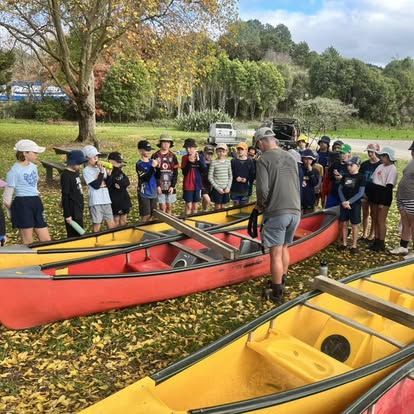
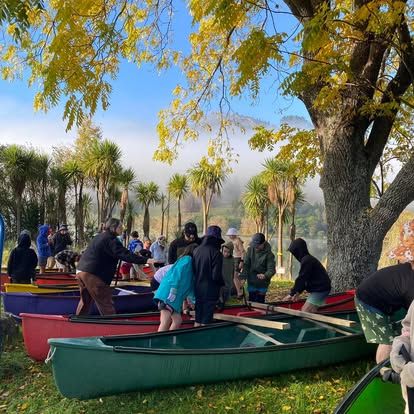
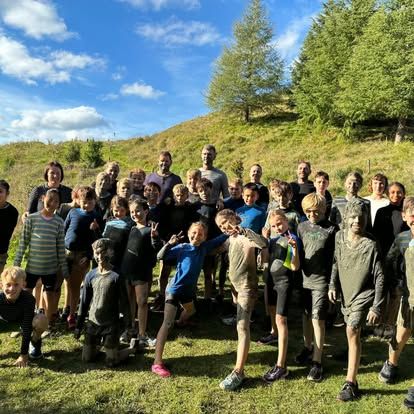
Camp Tutira is a much-loved highlight of the Year 6 experience at Taradale Primary School. Each year our students head to the Guthrie Smith Outdoor Education Centre for 3 days of challenge, teamwork and adventure in one of the most beautiful environments in Hawke’s Bay.
When and Where
- When: Refer to the school calendar…normally in Term 2
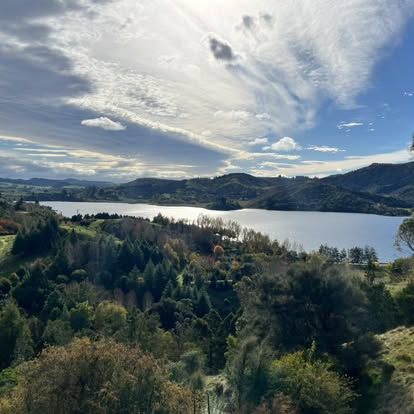
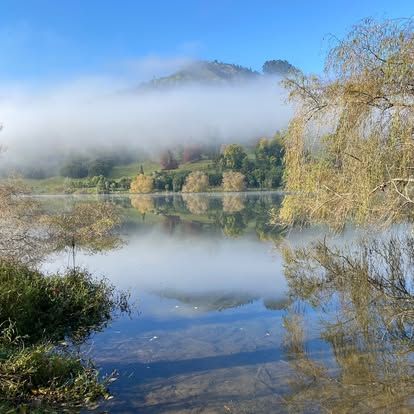
- Where: Guthrie Smith Outdoor Education Centre at Tutira. Located 45 km north of Napier, this centre has been an outdoor education facility since 1976 and sits beside the stunning Lake Tutira.
Accommodation and Facilities
Students stay in comfortable bunk rooms with mattresses supplied.
The centre provides full cooking and drying facilities, making it well suited to an active outdoor programme.
Activities
A wide range of exciting outdoor challenges are available, helping students build confidence, resilience and teamwork. Activities may include:
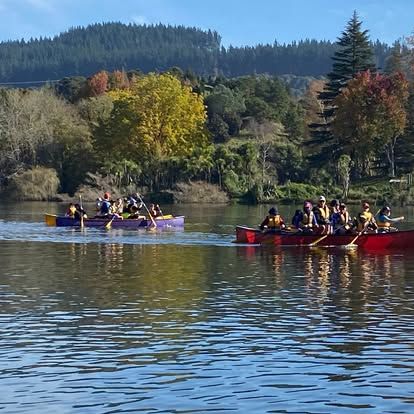
- Canadian canoes
- Orienteering courses
- Flying Kiwi
- Bush walks
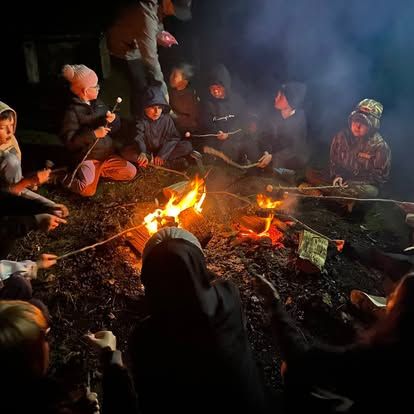
- Open fire cookouts
- Mud walk
- Group initiative challenges
- Water slide
- Low ropes
- Night environment trail
Instructors and Support
Trained Guthrie Smith instructors support our programme throughout the camp with planning, specialist instruction and equipment-based activities.
Transport
Students and parent helpers travel to camp by private cars. Trailers may be used for gear where needed.
Parent Helpers
We require a certain number of parents to attend. If more parents volunteer than we have places available, a ballot will be held.
Parent helpers should be prepared to take part in all of the activities and help with cooking and cleaning.
There is no fee for the attending parents.
Camp Costs
We work hard to keep camp fees as low as possible. Parents are invoiced for the cost of camp and payment is required before students attend. Payment can be made by cash, cheque, eftpos or online banking.
If payment is difficult for any whānau, please contact the school office or your child’s teacher so we can discuss available options and support.
Gear
A full gear list is provided each year. An updated version may be shared at the end of Term 1.
Consent and Health Forms
Please complete and return the Camp Consent Form and the Health Information Form before the due date (these will be handed out early in Term 1 each year).
Food
Most food costs are included in camp fees. Families who can access staff discounts are invited to contact us. We may ask for baking donations such as biscuits or cakes which help reduce overall costs.
Whānau Camp Meeting
We also hold a camp meeting for whānau prior to heading on camp. This is to give all the relevant information needed and provide an opportunity for whānau to ask any questions they may have. Details for the parent meeting will be shared in the school calendar / communications.
Year 5 Sleepover
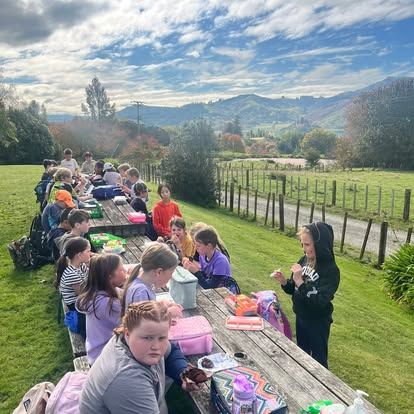
Before heading to Camp Tutira in Year 6, our Year 5 students take part in a fun and confidence-building school sleepover, usually held in Term 4. This experience helps students develop independence and teamwork in a familiar and supportive environment.
A favourite highlight is playing Spotlight around the school grounds, followed by everyone spending the night together in the school hall. The sleepover is a memorable and exciting milestone that prepares our Year 5 tamariki for the adventure of camp the following year.
Robotics
Robotics at Taradale Primary School
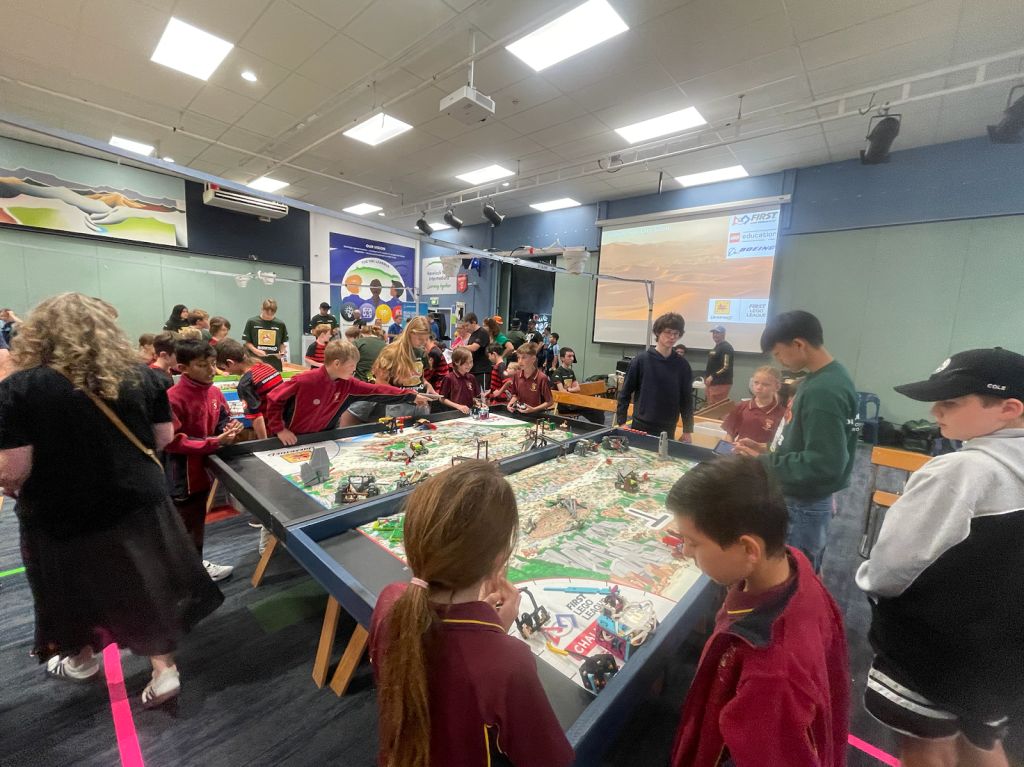
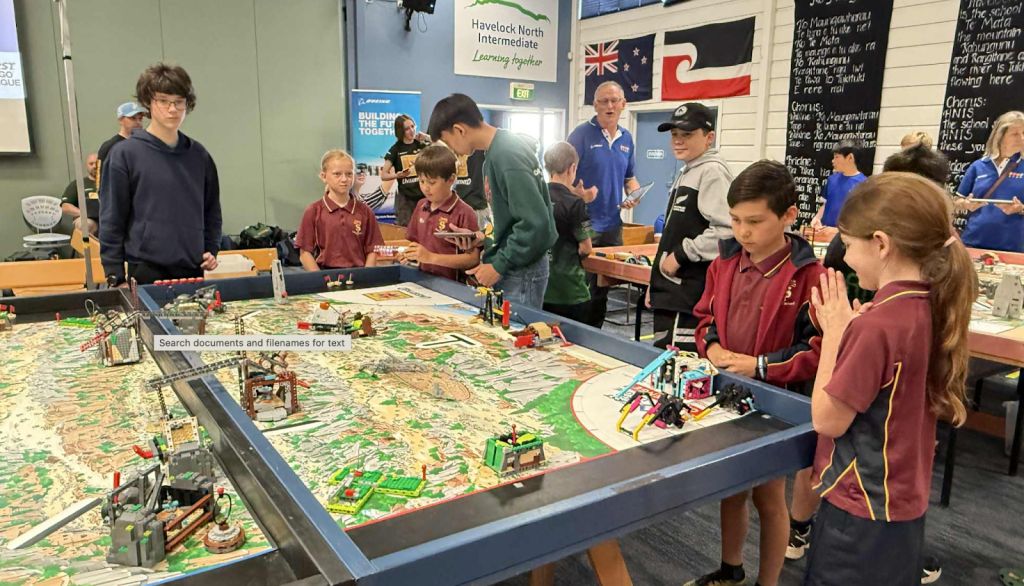
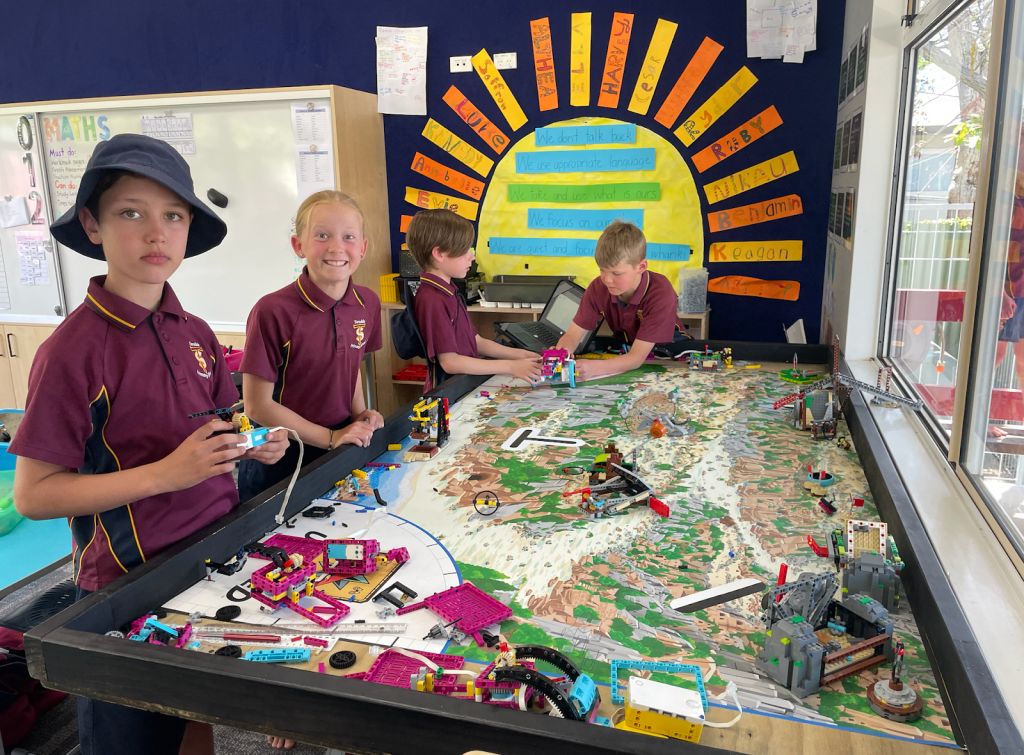
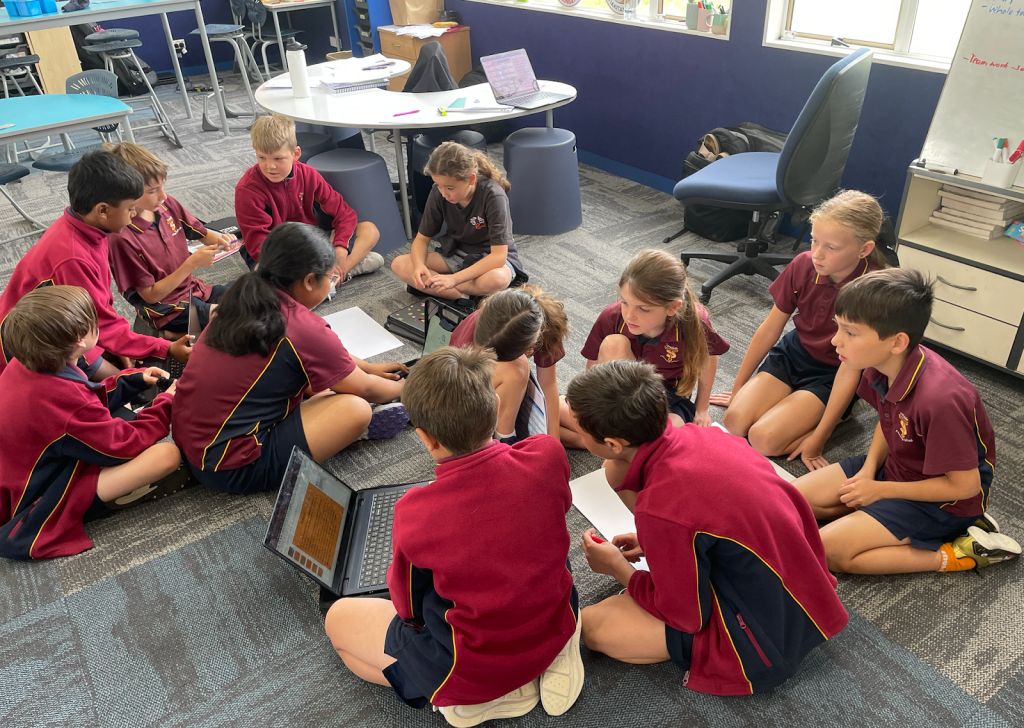
First Lego League Participation. At Taradale Primary School, we run a Robotics Club during lunchtime for Year 5 and 6 students. Tamariki work in small groups to solve engineering challenges, build small projects, and learn to code the robots, fostering essential skills in problem-solving, teamwork, and computational thinking. From Term 3, the Robotics Club changes as we prepare for the FLL competition. FLL is an international competition that engages students in research, problem-solving, and engineering. The competition has Regional, National and International events. We have several expansion kits that enable us to build more complex robots and attachments during the FLL season. Teams are selected for the FLL competition based on a range of different skills. As part of the Nauwhea Hawke’s Bay Collective of Schools, we collaborate to support and enhance the robotics capacity of our educators and students, ensuring a robust and enriching programme for all participants.
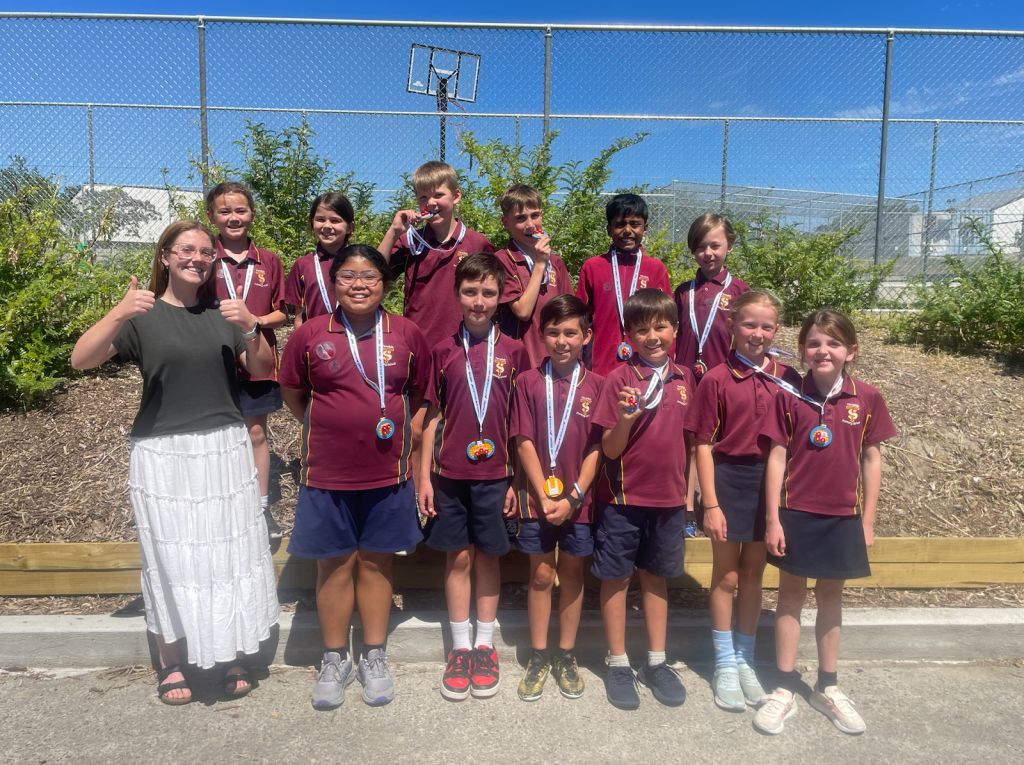
Activities and Achievements. Our ākonga have completed various projects with Spike Prime, including building and programming robots to complete specific tasks. In 2023, our team, the Taradale Terminators, achieved great success at the regional First Lego League (FLL) competition, winning the Rising Star Award, Breakthrough Award, and Champions Trophy. They then won the Champions Award at the First Lego League Nationals and represented New Zealand in 2024 as the NZ Blackbots at the World Championships in Houston, Texas. At this incredible event, they received the Rising All-Star Trophy, the first time a New Zealand team has received an award at the World Championship event.
BYOD
Bring Your Own Device (BYOD) – Year 5 & 6
Information for 2026
Welcome to our BYOD information page for Year 5 and 6. Here you’ll find everything you need to know about how devices are used in our senior classrooms, what to purchase, and how we ensure digital learning supports our ākonga in meaningful, balanced, and engaging ways.
Our Blended Learning Approach. At Taradale Primary School, we use a Blended Learning model in our BYOD classrooms (Year 5 and 6). This means:
- Strong, face-to-face teaching remains at the heart of learning.
- Digital tools are blended in only when they add value, enhance understanding, or deepen thinking.
- BYOD does not mean all-day screen time — devices are simply one of many learning tools available.
Blended Learning brings together the best of traditional practice and e-Learning to support the needs, interests, and strengths of our ākonga.
What Blended Learning Looks Like. Here’s a simple example using our Learn – Create – Share cycle:
| Learn | Create | Share |
|---|---|---|
| Te Reo – Tamariki learn alongside the kaiako (teacher) a variety of Te Reo phrases. They may then practice these with a buddy or as part of a small group. | Tamariki create a script using their new Te Reo phrases showing an understanding of the sentence structure as well as helping one another with their pronunciation. | The tamariki can then post this onto Seesaw or share via our Hero feed or as a Youtube clip. |
Why BYOD?
As our kaiako and ākonga grow in confidence using digital tools, the classroom experience becomes richer and more responsive. Devices help our learners to become:
- Information seekers
- Thinkers and analysers
- Evaluators
- Problem-solvers
- Decision-makers
This aligns closely with Our Whakawhanaungatanga, supporting learners to connect, collaborate and take responsibility for their learning.
Recommended Device for 2026
Our strong recommendation is a Chromebook.
Why a Chromebook?
- More affordable (typically $400–$600)
- Simple to set up
- Highly reliable
- Lower risk of malware or viruses
- Works seamlessly with our learning platforms
Whānau have complete choice around brand, colour, and headphones. Chromebooks have consistently proven to be the most effective and least problematic devices in our BYOD classes.
What about Windows or Apple devices? Some learners bring these, but they can involve challenges such as:
- Complex setup
- Security vulnerabilities
- Backup issues
- Higher cost
For these reasons, we encourage whānau to choose a Chromebook where possible.
Important: Avoid Enabling “Parent Lock”. At the start of each year, we often see learning disruptions caused by Parent Lock settings on Chromebooks.
While we understand and support safe digital use, this feature can prevent tamariki from accessing essential tools and applications used daily in class.
Please ensure that:
- Parent Lock is NOT enabled when setting up the device
- If already enabled, remove it before the Chromebook comes to school
This helps your child access all learning platforms smoothly from day one.
Questions or Support. We’re always here to help. If you have any pātai (questions), please contact:
- Jonathan Arnold – Principal: jonathana@taraprim.school.nz
- Jacqui Heaps – Team Leader, Year 5 & 6: jacquih@taraprim.school.nz
Or feel free to pop in for a chat – we’re always happy to support you.